Driving Investment in Projects That Advance Housing and Health Alignment

The National Center for Housing + Health advances housing solutions that improve health by expanding access to flexible, early-stage capital, equity investments, and technical assistance for mission-driven developers and community partners.

The Center is powered by CSH, a nationally recognized nonprofit Community Financial Development Institution (CDFI). Through this partnership, the Center draws from decades of proven lending and investing experience to bring forward innovative, health-aligned affordable and supportive housing across the country.

Housing and Health

For people with complex needs and who have very low incomes, affordable housing that is aligned with services has been shown to improve health outcomes, reduce unnecessary health system utilization, and promote stability. Lending opportunities—including those available from CSH—help finance affordable and supportive housing developments that strengthen these housing and health connections.

Older woman smiling and holding hands with a caregiver while sitting on a couch at home, highlighting the importance of investing in meaningful connections.
A smiling nurse, lending a helping hand, pushes an elderly woman in a wheelchair through a modern kitchen, both appearing happy.

Powering Development of Health & Service Facilities

The Center leverages CSH’s New Markets Tax Credit (NMTC) allocations, a federal tax incentive program to invest in projects that provide essential community health infrastructure for low-income individuals and households experiencing homelessness, living with complex health needs, or residing in supportive housing.

To date, CSH has deployed more than $467 million in NMTC allocations across 39 projects in 31 cities, supporting project types including:

  • Federally Qualified Health Centers
  • Program of All-Inclusive Care for the Elderly (PACE) centers
  • Behavioral health and crisis stabilization facilities
  • Medical respite programs
  • Food security and nutrition infrastructure

Nearly 70% of these investments support developments that include co-located affordable or supportive housing.

Modern orange-brick apartment building with large windows, trees in front, and a clear blue sky—an ideal property for investing in vibrant urban living.

Driving Community Investment in Health Systems

Person in a white coat holding a blue stethoscope with both hands, symbolizing trust and care—qualities essential in lending and investing.

Investing in Essential Community Health Infrastructure and Other Essential Community Facilities

The Center supports investment in essential community health infrastructure and other critical services that help address key drivers of health. These investments create direct links between healthcare access and stable housing, benefiting tenants, and strengthening the health of surrounding communities.

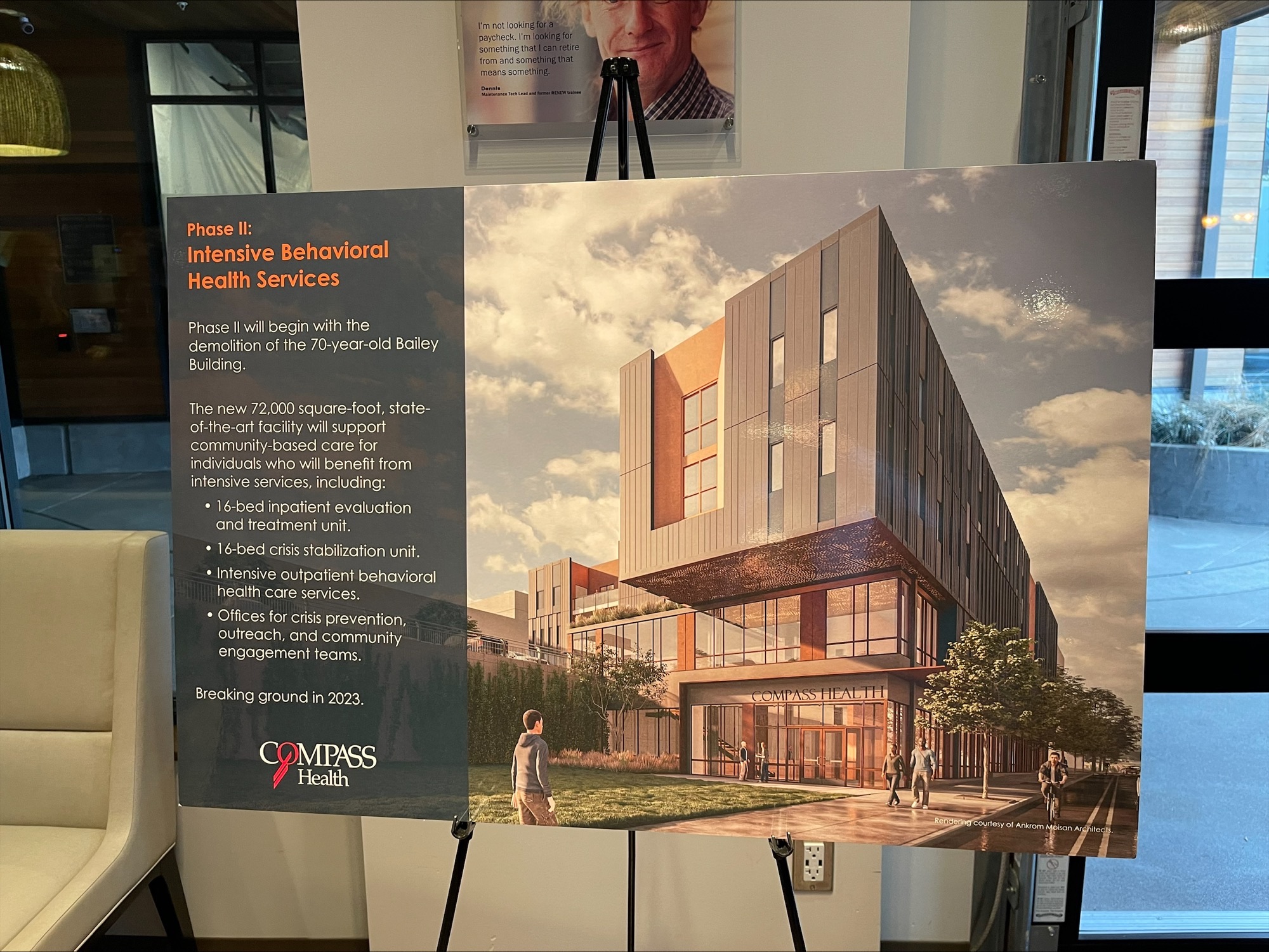
Poster on an easel shows a modern building rendering and details about Compass Health’s new behavioral health facility.

Partnering with Healthcare to Develop Housing

Healthcare systems and service providers are essential partners in supportive housing. The Center works with health funders and providers that contribute capital, operating support, land, or service delivery to create and sustain housing connected to care. We help structure funding models that promote long-term success for supportive housing tenants and reduce reliance on costly health crisis services.

Aerial view of a suburban neighborhood with houses, streets, trees, and parked cars—an inviting scene for investing or lending in real estate opportunities.

Connecting Developers to Health Funding for Services

The Center provides specialized technical assistance to help lenders, investors, and developers understand and leverage sustainable funding sources for supportive services, including Medicaid and other health-based financing, ensuring the long-term viability of supportive housing operations.

A coastal city with trees, buildings, and water tanks overlooks the ocean under a clear blue sky—a serene setting ideal for investing in vibrant seaside communities.

Strengthening Housing + Health in California

Beginning in 2026, the Health + Housing Policy Impact Fund, a multi-year initiative, will combine lending and grantmaking to:

  • Create new supportive housing units
  • Preserve existing housing
  • Test and evaluate models that use healthcare funding for long-term supportive services

Investment Highlights

Here are a few examples of NMTC-supported projects that illustrate the types of investments the Center is positioned to advance to create thriving communities:
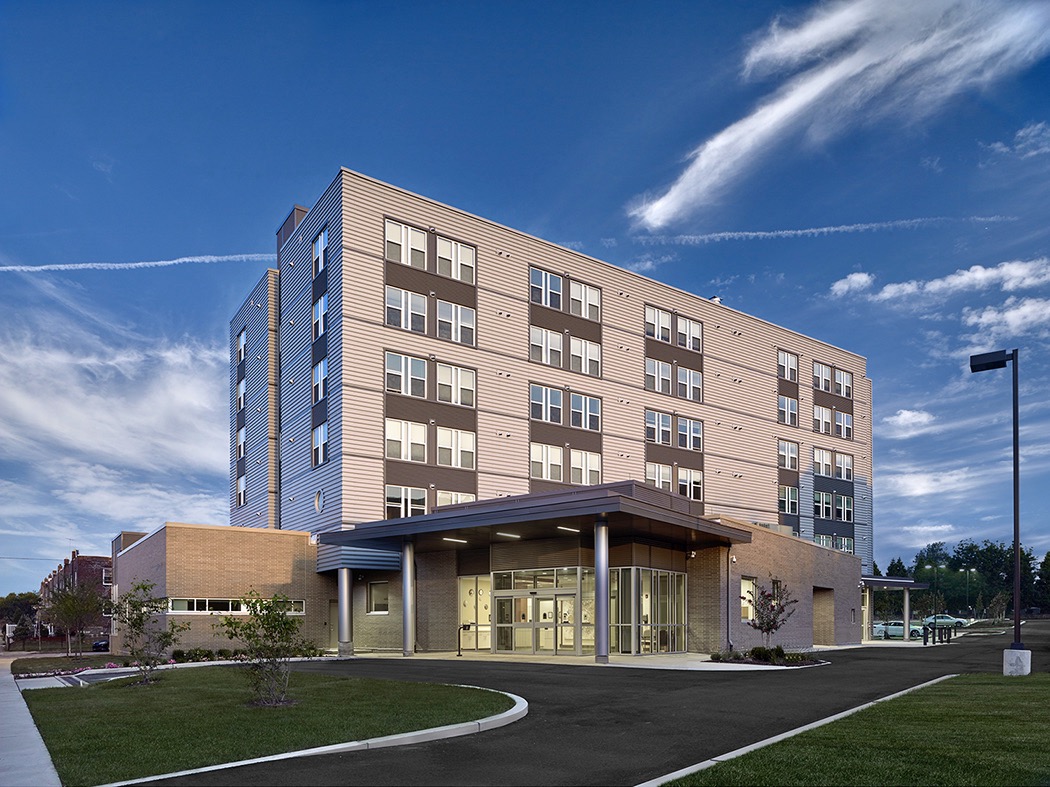
Modern five-story building with large windows under a blue sky, surrounded by grass and a paved driveway—ideal for investing or lending opportunities in growing urban areas.

LIFE Center at St. Bartholomew 
(Philadelphia, PA)

The LIFE Center at St. Bartholomew was developed by NewCourtland, with operations provided by InnovAge, a national leader in PACE (Program of All‑Inclusive Care for the Elderly). The project involved the construction of a 15,000‑square‑foot PACE facility offering medical care, physical and occupational therapy, behavioral health services, adult day programming, nutrition services, and social activities. 

The LIFE Center is co-located within a mixed‑use building of 143 affordable apartments serving very low‑income seniors. Through this model, more than 200 older adults receive care that helps them remain stable in their homes as an alternative to nursing home placement. The project closed financing on September 13, 2016, and opened June 3, 2018.

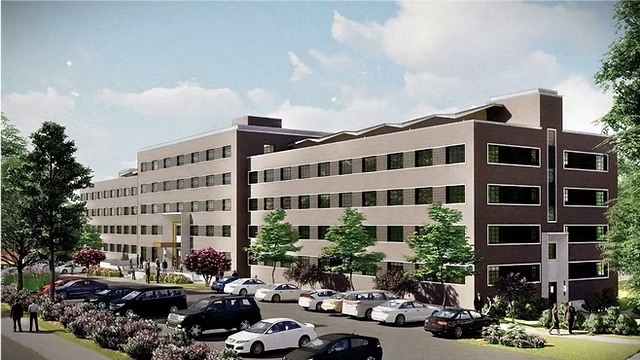
Modern four-story apartment building ideal for investing, with parked cars and trees in front under a partly cloudy sky.

Quest Heritage Village (Atlanta, GA)

Quest Heritage Village is being developed and operated by Quest, an Atlanta-based supportive housing and behavioral health provider. The project transforms a 105,500‑square‑foot vacant building into a mixed‑use community hub providing 102 supportive housing units for single adults, including youth aging out of foster care and veterans, who have experienced homelessness.

The development also includes:

  • 30-bed recuperative care unit for patients experiencing homelessness
  • A Federally Qualified Health Center
  • A commercial kitchen and community events
  • Behavioral health services and workforce development spaces

The project is expected to serve 1,500 low‑income individuals per year. Financing closed on July 11, 2024; construction is underway with an anticipated 2026 opening.

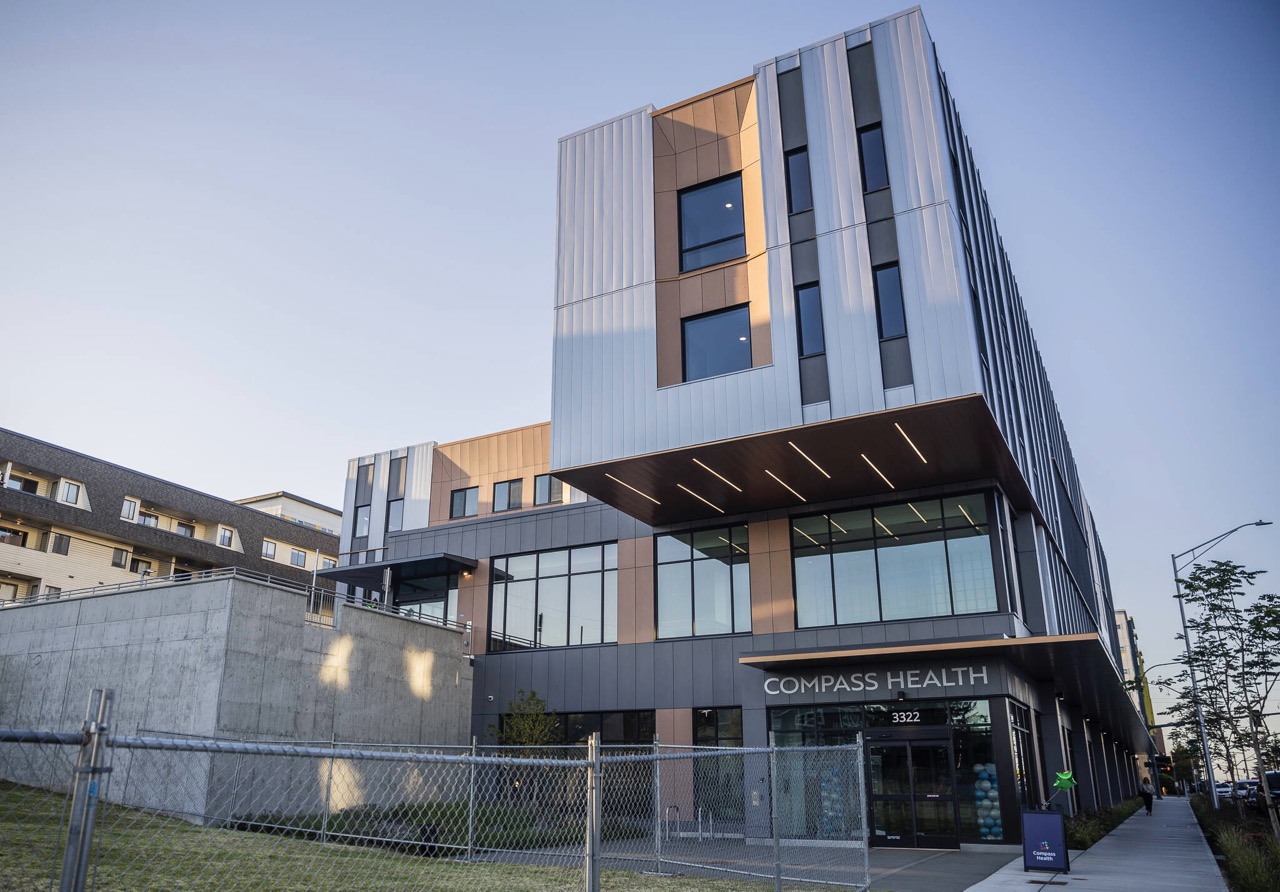
Modern Compass Health building with large windows, metal panels, and a fenced area in front under a clear sky—reflecting a commitment to investing in quality healthcare spaces.

Compass Health (Everett, WA)

Compass Health, a major community behavioral health provider in Washington State, is leading the development and operation of a 70,000‑square‑foot intensive behavioral healthcare facility. The new facility will provide inpatient and outpatient behavioral healthcare and pharmacy services for adults with chronic mental illness who are experiencing homelessness, transitioning from higher‑level treatment settings, being diverted from incarceration for mental health reasons, or who require intensive supports to live independently.

This project is part of a larger redevelopment effort that includes 145 supportive housing units. The facility is designed to serve 1,920 unduplicated adults annually 100% low-income (80% experiencing or at risk of homelessness), with an estimated 57,682 patient encounters per year, and will create or retain 133 full‑time equivalent jobs, including positions designated for low‑income community members.

As part of the broader campus redevelopment, a recently approved $1 million predevelopment loan is also supporting Phase III, which will add 73 supportive housing units and two floors of clinic and office space. Financing for the Phase II facility closed September 15, 2023, and it opened in September 2025.

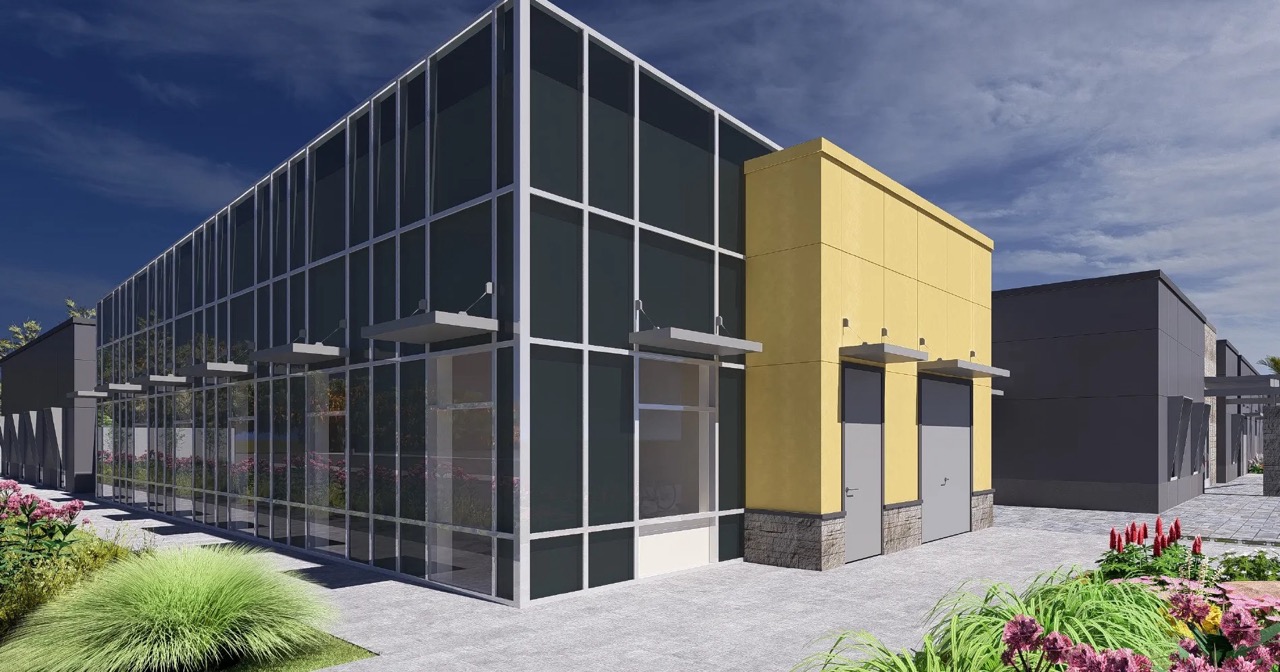
Modern glass building with yellow accent, surrounded by landscaping and a paved walkway under a blue sky—an ideal space for investing or lending opportunities.

East Valley Medical Respite Center (Mesa, AZ)

The East Valley Medical Respite Center is being developed and operated by Circle the City, the only Federally Qualified Health Center in central Arizona dedicated exclusively to serving people experiencing homelessness.

The project will create a 30,000‑square‑foot facility that includes:

  • 85 medical respite beds
  • Comprehensive primary and behavioral healthcare
  • Pharmacy services
  • Case management and housing placement supports

For many patients, this will be their first safe environment to recover following hospitalization or acute medical episodes. Financing closed on September 15, 2025, and construction is currently underway.

LOAN AND INVESTMENT PRODUCTS

Learn more about our loan and investment products that can help partners build and preserve affordable and supportive housing and essential community facilities.

Stay Connected To The Center

Subscribe to hear from us on the latest resources, events, and articles on housing + health.